Ohana’s Perspective on Learning
Children’s emotions play a massive role in their early years. They exist like little animals, running totally on their senses and finding their way through life through a combination of nature and nurture. So, where is the need for academics in the early years? Why do parents expect, and some schools feel the need, to include academics in their preschools as an integral part of their programme?
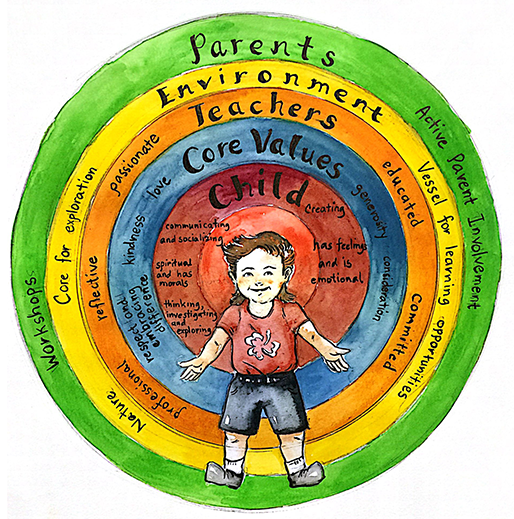
One of the foundation stones of Ohana International School is “for children to leave us confident, independent, and with a good sense of self. Then I know that I have given them a true gift.” These are the words spoken so often by their director, Shelley Sacks. She is a firm believer in focusing on the needs of young children and “teaching” them through their interests and feelings, so that they can reach their maximum potential while in her care. She also feels strongly about children being given endless opportunities for creativity and wonder, and about using their imagination in play, art, and conversation.
A number of years ago, she had a student who came to her for after-school phonics and literacy instruction, and he was only three years old. She fed and nurtured him through play for an entire year, all the while questioning herself because she was worried that his parents might want to see an “A” in his workbook with pictures of an apple, alligator, ant, and ankle. Every week, she would put a review of what they had done that day, and the parents didn’t push anything. Trust was the key. They trusted her skills as an educator, and “the proof of the pudding was in the eating”. The following year, her work with him became a little more formalized, but it happened in a fun and creative way, including the development of fine motor skills, language, and more. Yuta is now 9 years old and is an avid reader. She plucked him from the tree at the right time.
The children in her regular class are embraced with love, hugs, and boundaries each day. She tunes in to their needs, and for those who love discussions, she makes time for them; those who like having a book read to them have their special time; those who want her to sit with them and eat lunch have their time… This is how she teaches children about life. She respects their needs and comes into the classroom as a partner in their learning rather than an “instructor who knows more than they do”. They find things to research together through books, and all of this takes place in a warm, loving, safe space where you can be angry, happy, sad, moody, uncooperative, irritable, and more. There are rules, however, for expressing some of these emotions, and the one in particular that stands out is “you can be angry, but you cannot hurt yourself or anyone.”
She and her team of incredible teachers, Hisami and Liezel, are constantly in conversation about every child in their care, questioning what they are doing and finding ways to negotiate and work positively with children who sometimes have challenging behaviours. They recognize that difficult behaviors are a regular part of the privileges that children display and can exhibit at this age.