The effects of plastic on the environment are pretty devastating. While there are many steps to the banning of plastic bags based solely on their convenience, the damage to the environment needs to be controlled.
One of the most significant problems the environment faces is that once the plastic has been soiled, it ends up in the trash, which then ends up in the landfill or is burned. Burning emits toxic gases that harm the atmosphere and increase the level of VOCs in the air, while landfills store them indefinitely as part of the plastic waste problem worldwide. Either solution is detrimental to the environment.
With this in mind, Japan is one of the world’s leading recyclers. In 2010, 77 percent of the country’s plastic waste was recycled, and recent reports indicate that the figure for the total amount of waste sent to landfills is relatively low, at 16 percent. However, the level of packaging waste throughout Japan is in complete contrast to the country’s recycling efforts.
To move towards a better future for our students, Ohana International School decided to hold a “Zero Plastic Day” on June 8th. Schools can generate enormous amounts of plastic waste, which is toxic to both people and the environment, and remains a persistent problem. Our school took steps to initiate this a few days in advance. Most children and staff have found creative ways to avoid using foil, paper, and especially plastic in their lunchboxes. This is how our special day went…
Flowers Class (Age:3.5-5) started the week by discussing the news story about the whale dying in Thailand after consuming 80 bags of plastic. The children shared their thoughts and discussed the importance of being aware of our environment. Throughout the week, during snack and lunch time, children kept asking their teachers what was and wasn’t plastic in their boxes. The discussions were open-ended and brought about ideas for the future. The day before Zero Plastic Day, the children all went home with green face paint hearts on their cheeks, as a reminder to their parents and themselves of the special day. As the day arrived, these were their thoughts:
“We’ve been talking about it all week, and the day is finally here! NO PLASTIC DAY! We already know what plastic is and have been talking extensively about what we can and cannot bring all week. Today, we discussed ways to reduce our plastic usage. Junto said he uses reusable plastic instead of single-use plastic. He also uses burnable material instead. Looking around the room during snack time and lunch time, we noticed that there were no ziplock bags! We ended up with a healthier diet, too! Our friends brought bananas, apples, grapes, sandwiches in reusable containers, and even onigiri in reusable containers. We had no individually packed rice crackers in plastic, no individually packed cream cheese and sticks, and no sandwich bags. Dev mentioned, “Now I have started not using plastic anymore because I saw a video about a whale that died on my mom’s laptop.” The teachers asked us, “What can we do when we go shopping?” Some of our answers were, “We can buy reusable plastic”, “We can wash the plastic and reuse it,” and “We can use paper bags.” Hisami showed us a canvas bag that she uses for shopping. Kai mentioned that if we buy one or two items, we can carry them instead of having a bag. In the classroom, we used a paper bag to collect all our burnable trash throughout the day. It was a success for our first NO PLASTIC DAY, and we’re thinking of doing it every Friday from next year!”
The Petals Class (ages 3-4) started the week off with a dramatic play acted out by the teachers. The teachers acted out a story of a group of sea creatures who were out at sea and hungry. They found food and ate it. Later on, they realized that their tummies were upset. And when they went to see the doctor, he told them that they had been eating a lot of plastic. The sea creatures worry, as it has become hard for them to find good food to eat. This opened a discussion with the children about how they could help the sea creatures. As the day arrived, these were their thoughts:
“We did lots of activities for this event today. We started by playing a fun recycling board game called ‘What’s Rubbish’. In this game, the player moves around the board and collects rubbish. We even did ‘We love our planet earth’ yoga. The emphasis was on opening the physical area around the heart. We then visualized a green light and then allowed it to settle deep into the heart space. We then opened our hands to spread love and repeated – “My heart to your heart, spread the love, love earth”. We also recycled the cardboard box from yesterday, in which we got our Ohana mugs. How many ways can we play with a cardboard box? The answer is ENDLESS.”
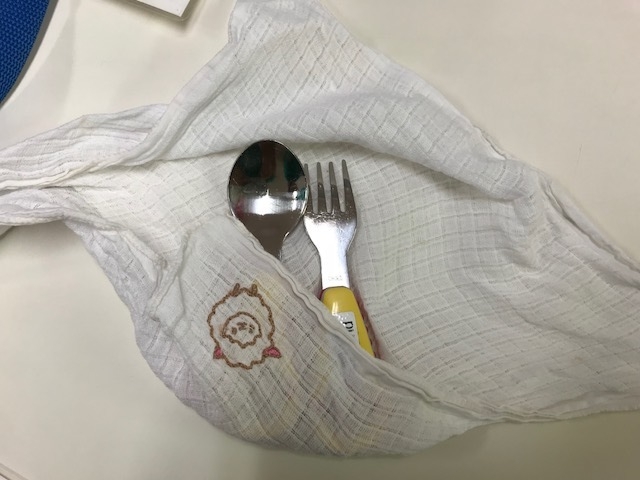
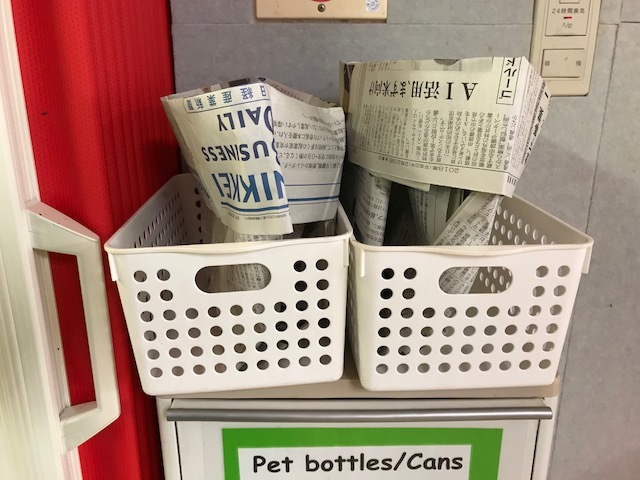
Bud’s Class (Age: 1.5-3) is the youngest in our school. There is so much that they understand and comprehend; yet, at times, some topics can be challenging to learn and explain. In class, we played with animals and talked about “ouchies”, our animal friends can get. We also focused on sorting our garbage and asking children to put it into the correct recycling bins. Most of the effort was put in by the parents and teachers together to create a zero-plastic environment for them, via email. As the day arrived, parents ensured that no plastic was brought into class, and teachers facilitated this by providing paper bags for bins and newspaper origami baskets for the snack and lunch table bins. As teachers, we also had to rethink our snack and lunch choices. Many of us had self-realizations that we will continue in the future, from bringing in refillable water bottles to reusable coffee tumblers. Sometimes we forget that we can get stuck in our ways for the convenience they offer, but making a slight alteration can have a HUGE impact on the Earth.
There are always alternatives to plastic bags, and the search for more alternatives continues. Paper bags are a viable option, but they also have their environmental toll. The use of trees to increase the production of paper products, combined with the increased energy that is required to make paper bags, will also have an adverse environmental effect.
Reusable plastic bags, bottles, and cutlery are being introduced in regions that aim to ban plastic altogether. These are stronger and more durable and can be used for three to five trips to the stores, or biodegradable ones. Of course, the reusable cloth bag is fast becoming a favorite among environmental supporters. While no item is without its issues to date, there are some steps we can take to help address environmental concerns… “WE TOO CAN MAKE A DIFFERENCE”.