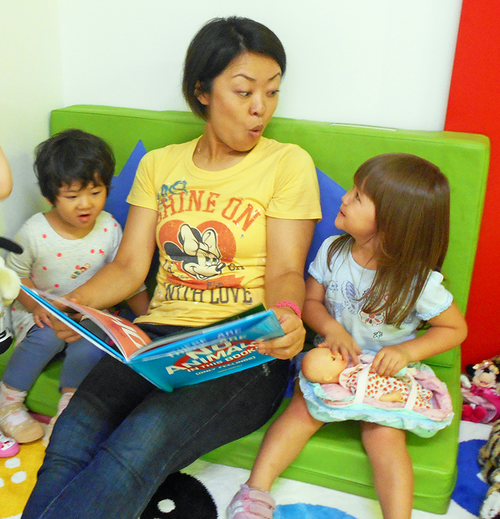
We found this article on the Himama, entitled “The Role of Parent Involvement in Early Childhood Education,” to be an excellent resource for parents who want to be more involved in the day-to-day aspects of early childhood education.
These tips are not about phonics and spelling, and academics, but much more about keeping tabs on the emotional and social development of your child.
Studied many years ago within the educational philosophy of social constructivism, Lev Vygotsky explained that children are more likely to learn when they can make connections with other social beings. Suppose a child has a good sense of self, the ability to develop relationships, and an understanding of the nuances of conversation and social behavior. In that case, it gives them a greater opportunity.
Children who do not learn this first – it doesn’t matter how high their IQ is – may not reach their maximum potential. Life is about understanding others and making meaningful connections to both oneself and the world around us.
Parent involvement helps extend teaching beyond the classroom, creates a more positive experience for children, and enables them to perform better in school.