How do we measure what the best toys for children are? Must we consider cultural contexts or economic factors? Ultimately, what should guide our decision about what is truly best for a young child?
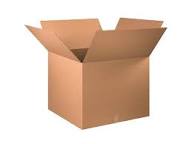
Over the years, I have consistently found that a simple cardboard box is among the very best toys a child can have. It is open-ended, inviting creativity, exploration, invention, skill-building, and problem-solving. It demands physical engagement and can hold a child’s interest for remarkably long periods. In their hands, it transforms into a dream car, a secret house, a royal castle, a fierce dragon, or a beloved storybook character.
This highlights a fundamental principle: the best toys are open-ended. They are not defined by a fixed set of skills, rigid rules, or predetermined outcomes. Instead, they empower children to delve into their imagination and follow their ideas wherever they lead. These toys are limitless, offering endless possibilities.
As an early childhood educator, I’ve observed that imposing too many rules on the creative process takes something vital away from children. Certainly, learning rules in games and understanding boundaries are important aspects of development. However, offer me something that allows my own unique creation and experience, and you will have my complete and joyful engagement.
Play is a child’s world. We must do everything we can to preserve its magic.