Cleaning up in our preschool is an integral part of our day. It is woven into our schedule and has become as instinctive as all other routines during the day. It is not confined to a specific time of the day but is immersed in everything that we do.
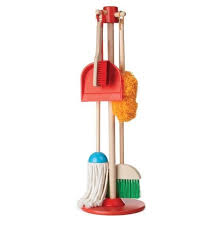
Children clean up after playing with toys. They pack away their utensils and containers at meal times. They place their hand towels inside a Ziploc to take home, after snack and lunch times. They assist to sweep the floor with little brooms and dust pans. They wipe the tables with disposal cloths and much, much more.
That children love to clean, is an understatement. There is something innate about tidying within a child’s nature—something we should not underestimate.
Cleaning is as natural as “breathing, eating or linked to spiritual purity”; with common completions being “…next to godliness,” reflecting deep cultural value, or more literally, “…the way animals groom” or “…removing scent before a hunt,” highlighting innate instincts for health and survival, but it’s also a learned behavior tied to cultural norms and a desire for order. At its core, it connects to instinctive behaviors for care and organization, while also being a learned practice that fosters responsibility.
We love how children in our school naturally gravitate toward being part of the cleaning process—though we are, of course, aware that for some children, this task may not top their list of favorite activities.